A digital twin before the first screw
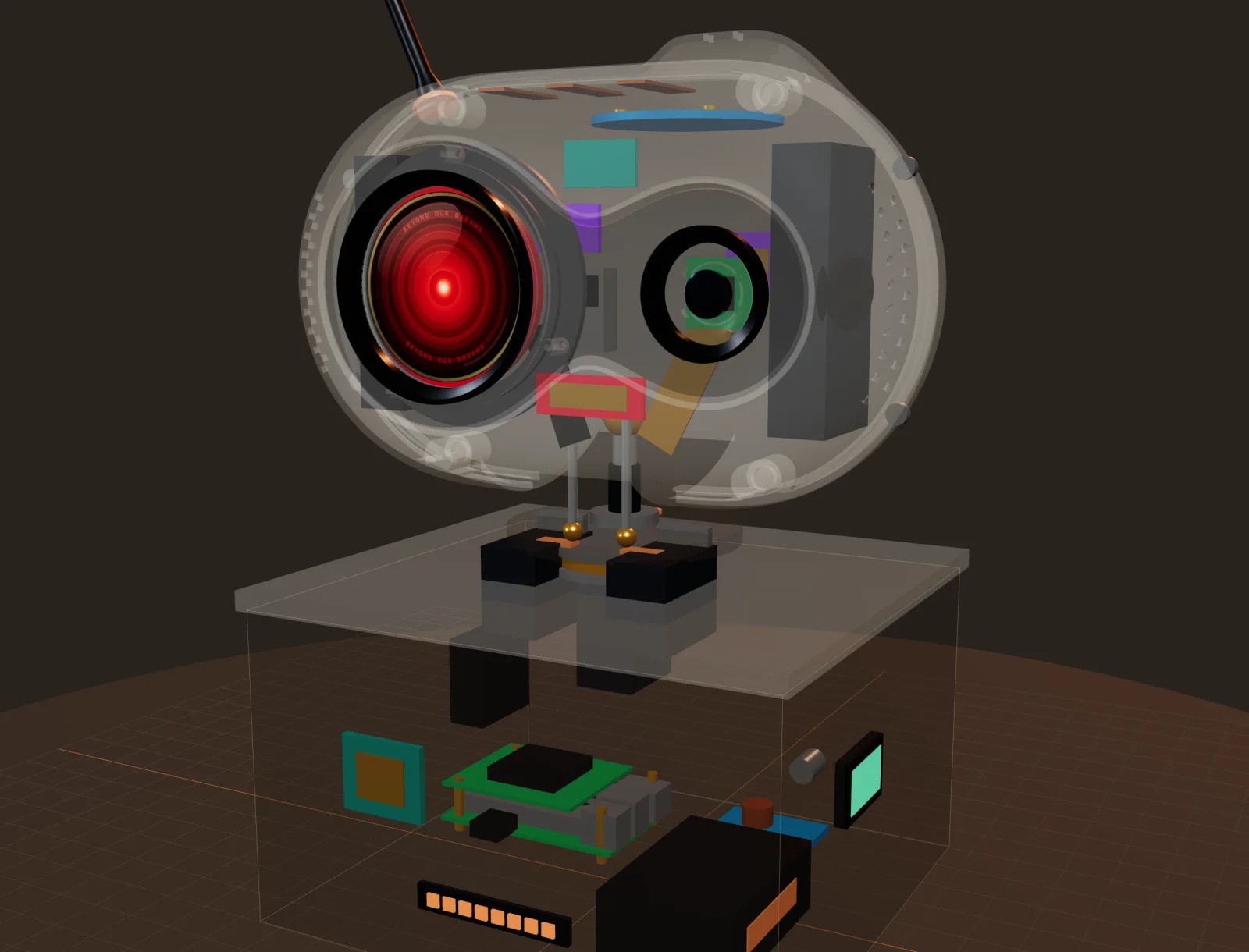
MK-II now exists as a 1:1 3D twin in Mission Control: head, three-axis neck and base with all 24 parts. Every move can be tested before the hardware arrives.
Read entryProject 02 · Hardware · Built in public
BOB has lived on a server so far — in chats, dashboards and a 3D office. MK-II brings him into the room: a head on the desk with a living eye, a camera, microphones, a voice and a few senses. Same BOB, same memory, same personality. Just physical.
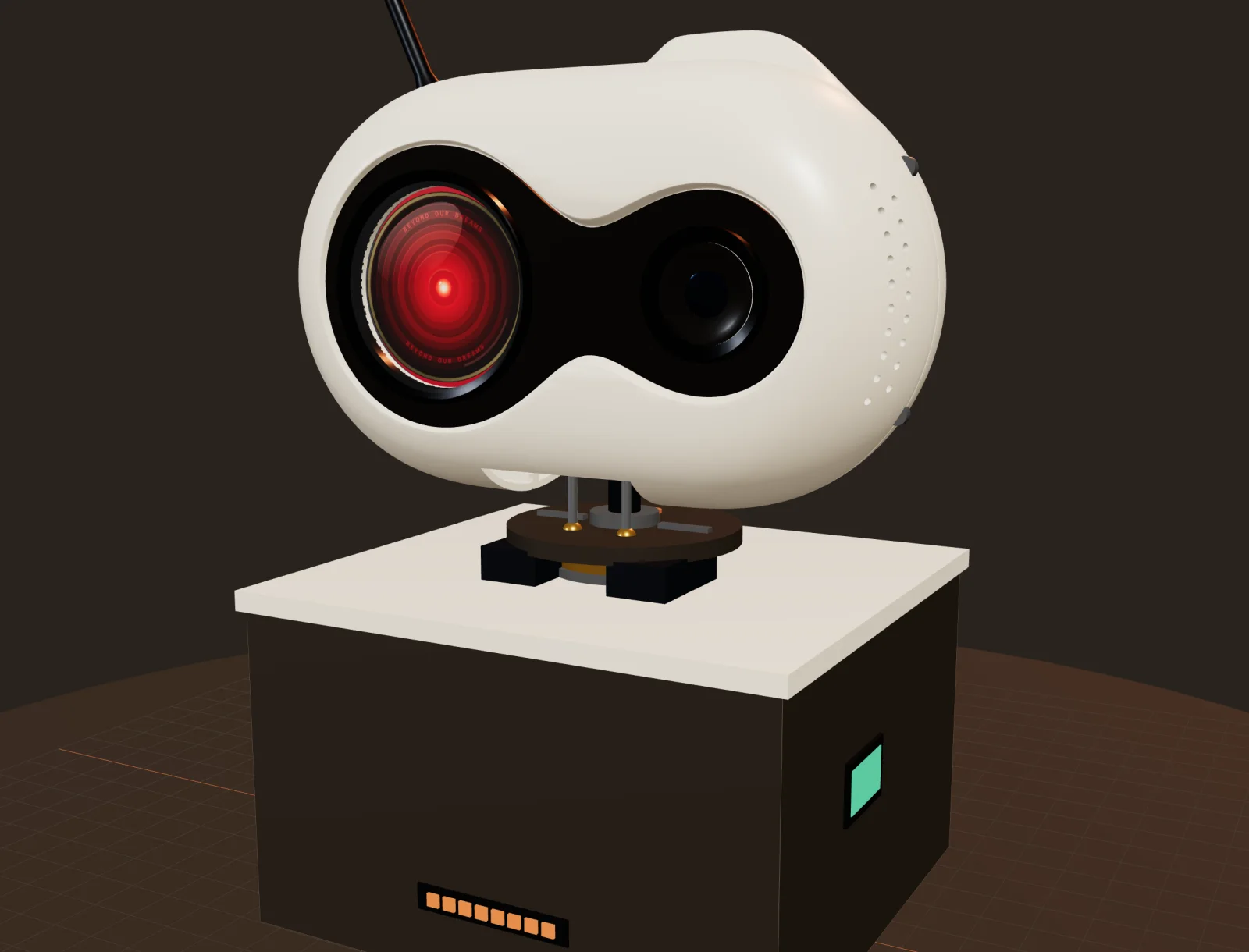 3D twin from Mission Control · not yet printed
Why a body
An assistant you have to open is an app. One that notices you walk in, looks at you when you talk and tells you what the day holds is something else. MK-II is our experiment in what happens when an AI agent gets a place in the physical world.
How it works
The design
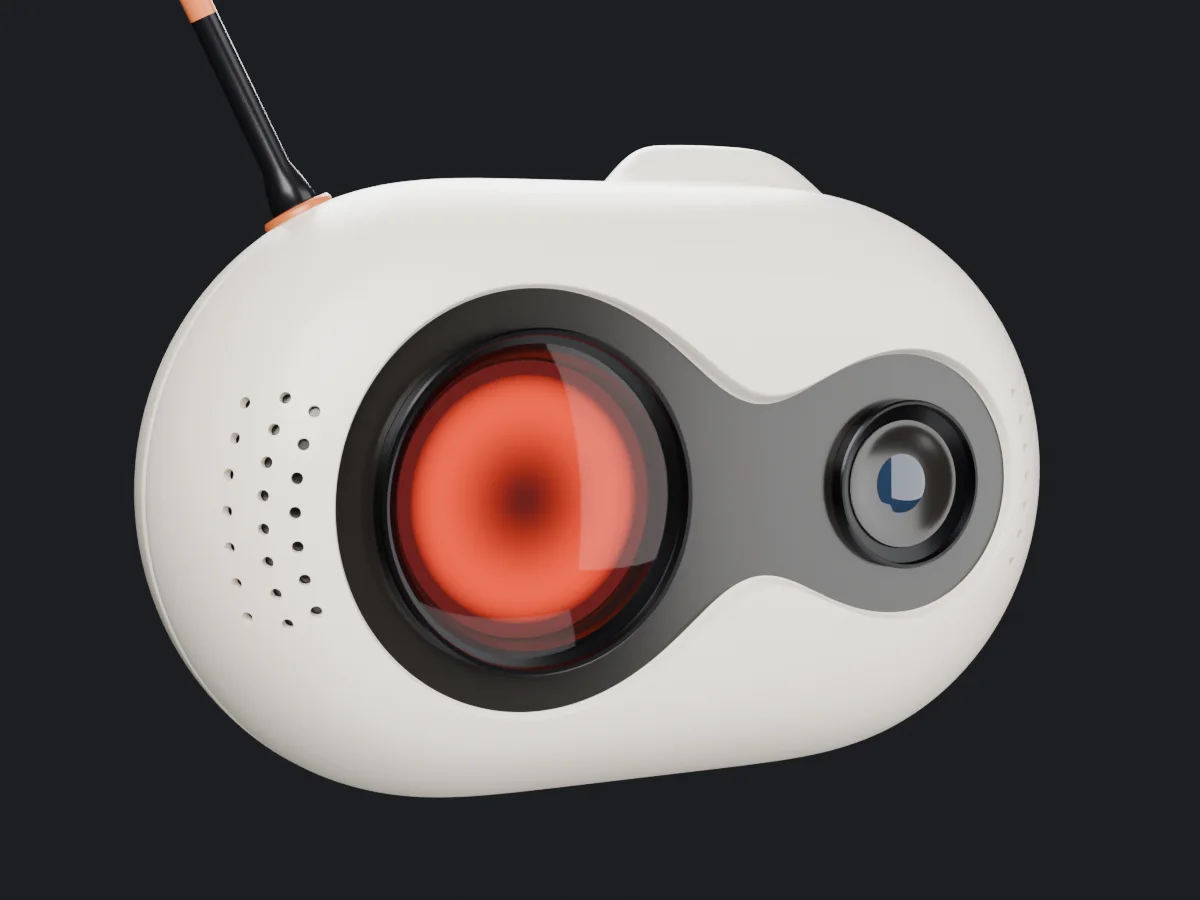
After several studies — from a sharp wedge to a kit-based robot — we landed on a soft, rounded shell. The left “eye” is a round display that can look, blink and show what BOB is doing; the right one is a real camera. The shell is 3D-printed, with a sensor dome on top for the environment sensors, and the head sits on a three-axis neck above a wooden base that houses the computer.
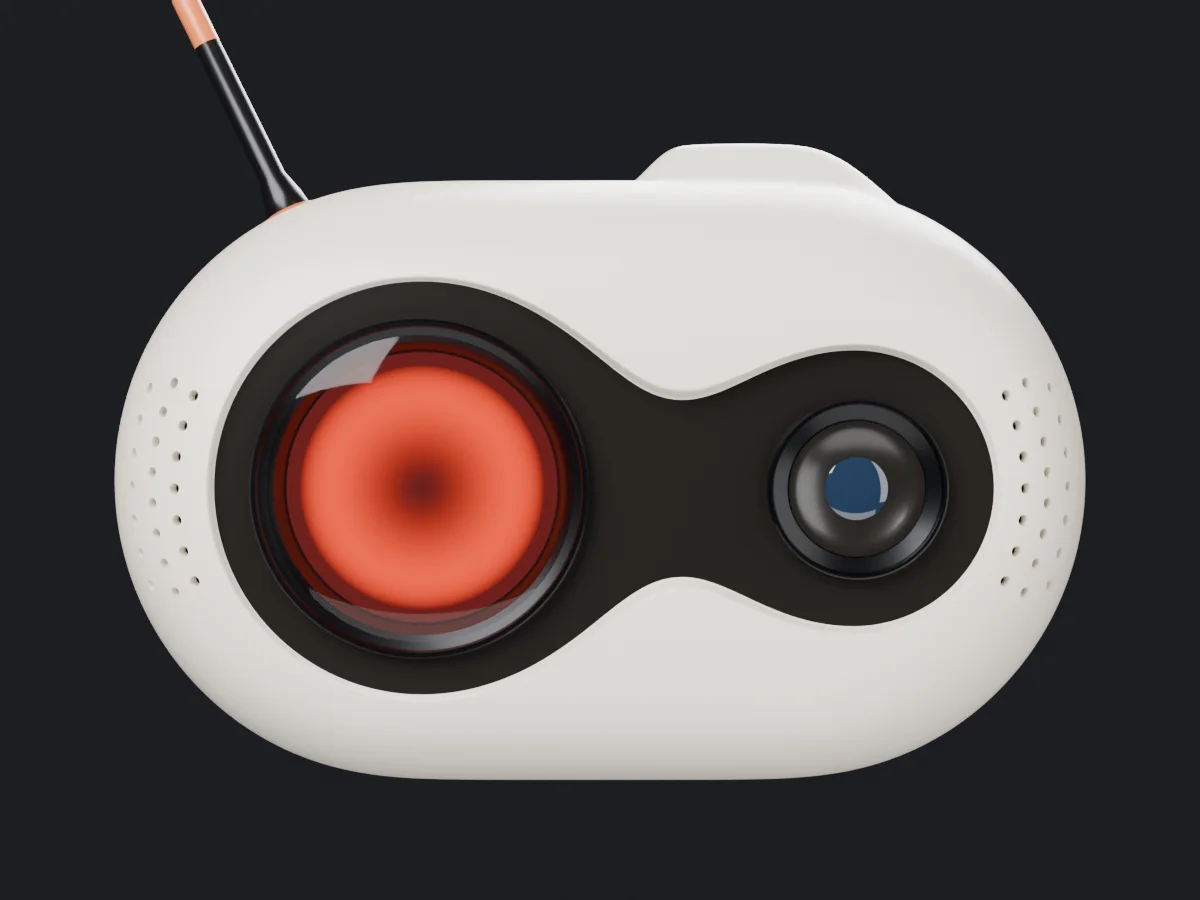 Front
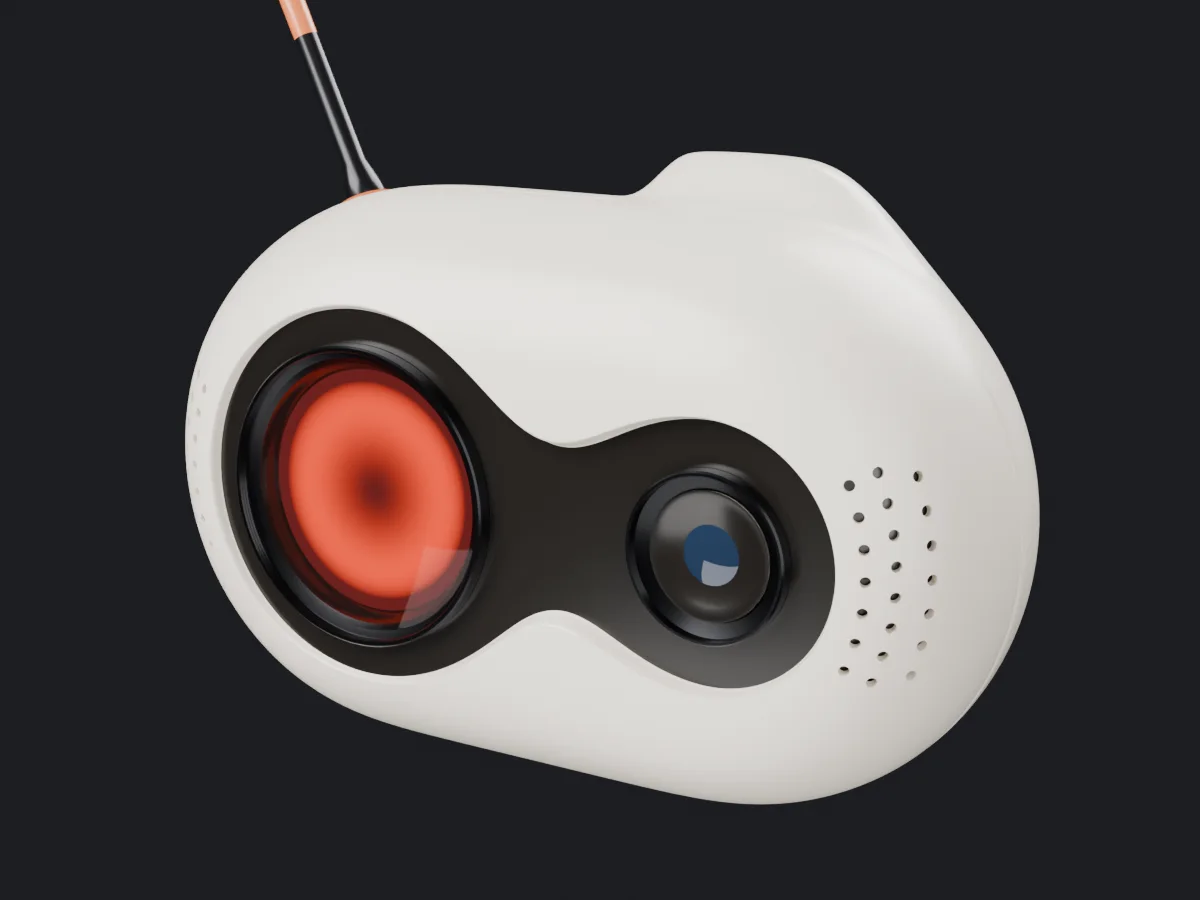 Three-quarter view
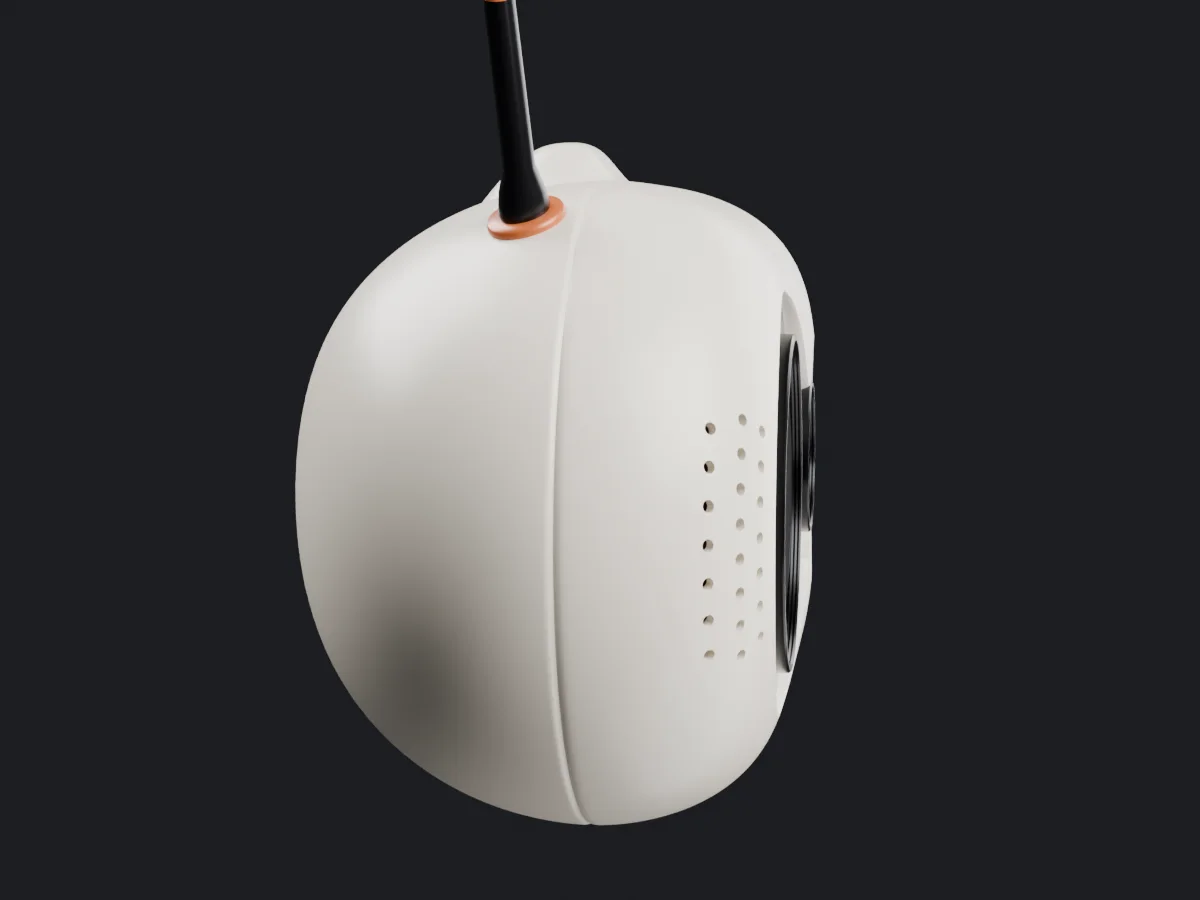 Side
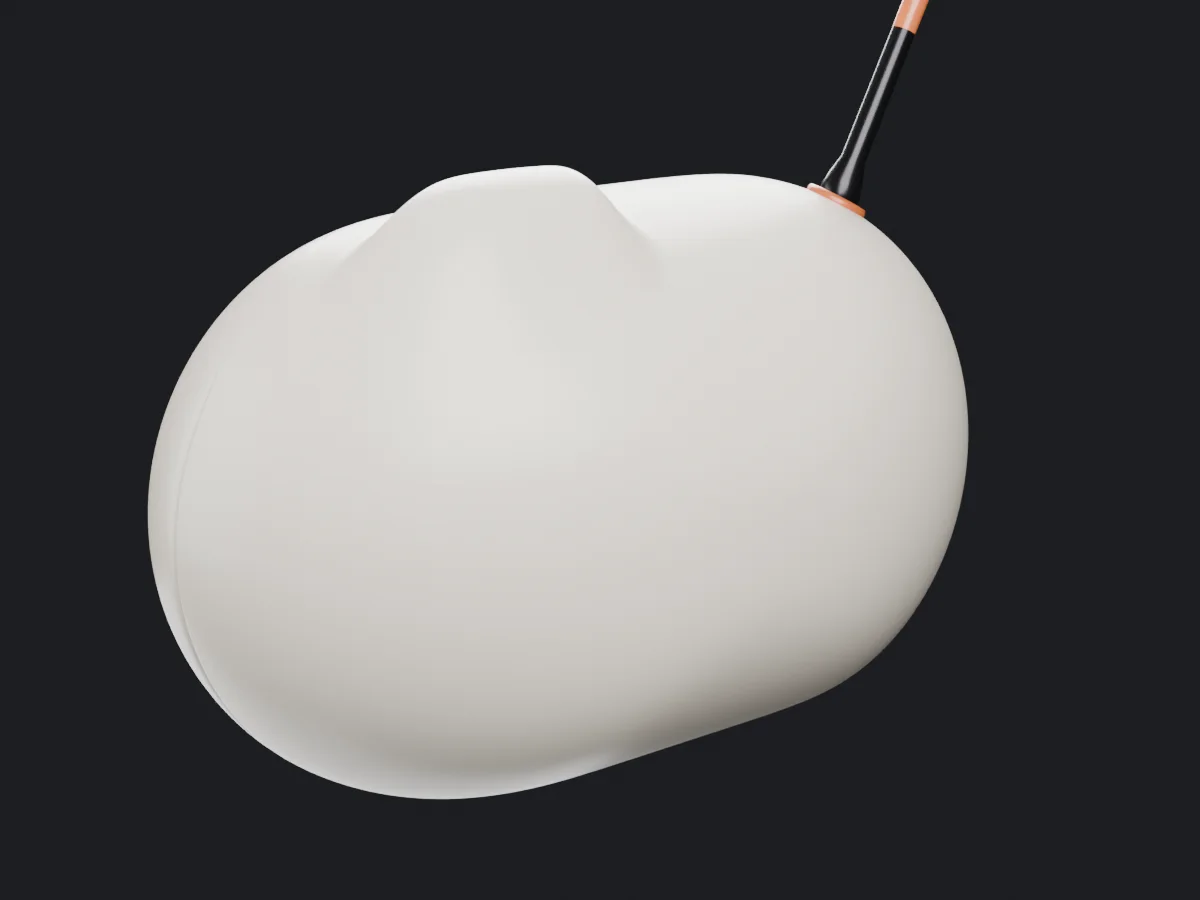 Back
All images are renders of the current design. Photos of the real build will follow.
What's inside
Privacy by design
These rules are part of the design from day one, not an afterthought.
The build
Every step ends with something you can see or hear. The next one only starts when the last one works.
Head design in final review, all parts for the first stage ordered, first sensors on the way.
A 1:1 3D model of head, neck and base with all 24 parts, plus a motion lab in Mission Control to test every move before the hardware arrives.
Check that the round display runs smoothly at 60 fps, then give the eye its states: idle, listening, thinking, speaking.
“BOB, what's the weather like?” — and BOB answers with his own voice. From here on, MK-II really is BOB.
The eye follows faces and voices, BOB recognises the people he has been introduced to, and notices stuffy air or a pat on the head.
A three-axis neck driven by three servos: the head turns towards whoever is speaking, nods while listening and tilts when it is curious. Every move can already be tested in the digital twin.
You walk in in the morning, and BOB greets you with the weather, today's tasks and reminders.
We'll share the build as it happens. Questions, ideas or a project of your own? Write to us.